
Building Better Workplaces
Workspace design is no longer just about creating a place to work. A well-designed workplace can influence productivity, collaboration, employee wellbeing, company culture and business growth.
Modern businesses need workspaces that are flexible, functional and designed around how people actually work.
Designing for Different Work Styles
Employees move between focused work, meetings, collaboration and informal conversations throughout the day. A modern workspace should support these different needs through a mix of:
Private offices
Open workstations
Meeting rooms
Focus rooms
Collaboration areas
Breakout spaces
Lounges and social zones
Creating different work zones gives employees the flexibility to choose the right environment for the task.
Balancing Focus and Collaboration
A productive workplace needs both quiet areas and spaces that encourage interaction. Open areas can support teamwork, while enclosed focus rooms and private spaces provide an environment for concentrated work.
The goal is to create a balanced workplace where collaboration and individual productivity can coexist.
Designing Around Employee Wellbeing
Comfort and wellbeing are becoming essential elements of workplace design. Natural light, ergonomic furniture, greenery, good acoustics and comfortable common areas can significantly improve the workplace experience.
A people-first workspace should help employees feel comfortable, focused and connected throughout the workday.
Integrating Technology
Technology should be an integral part of modern workspace design. Smart meeting rooms, seamless connectivity, access control, room booking systems and workplace management solutions can make everyday operations more efficient.
The best workplace technology is simple, intuitive and supports employees without creating unnecessary complexity.
Flexibility for Business Growth
Businesses evolve, and their workspace needs to evolve with them. Flexible layouts, modular furniture and multipurpose spaces allow companies to adapt their workplace as teams and business requirements change.
This is particularly important for growing businesses and Global Capability Centres that need scalable workplace solutions.
Workspace as a Reflection of Brand
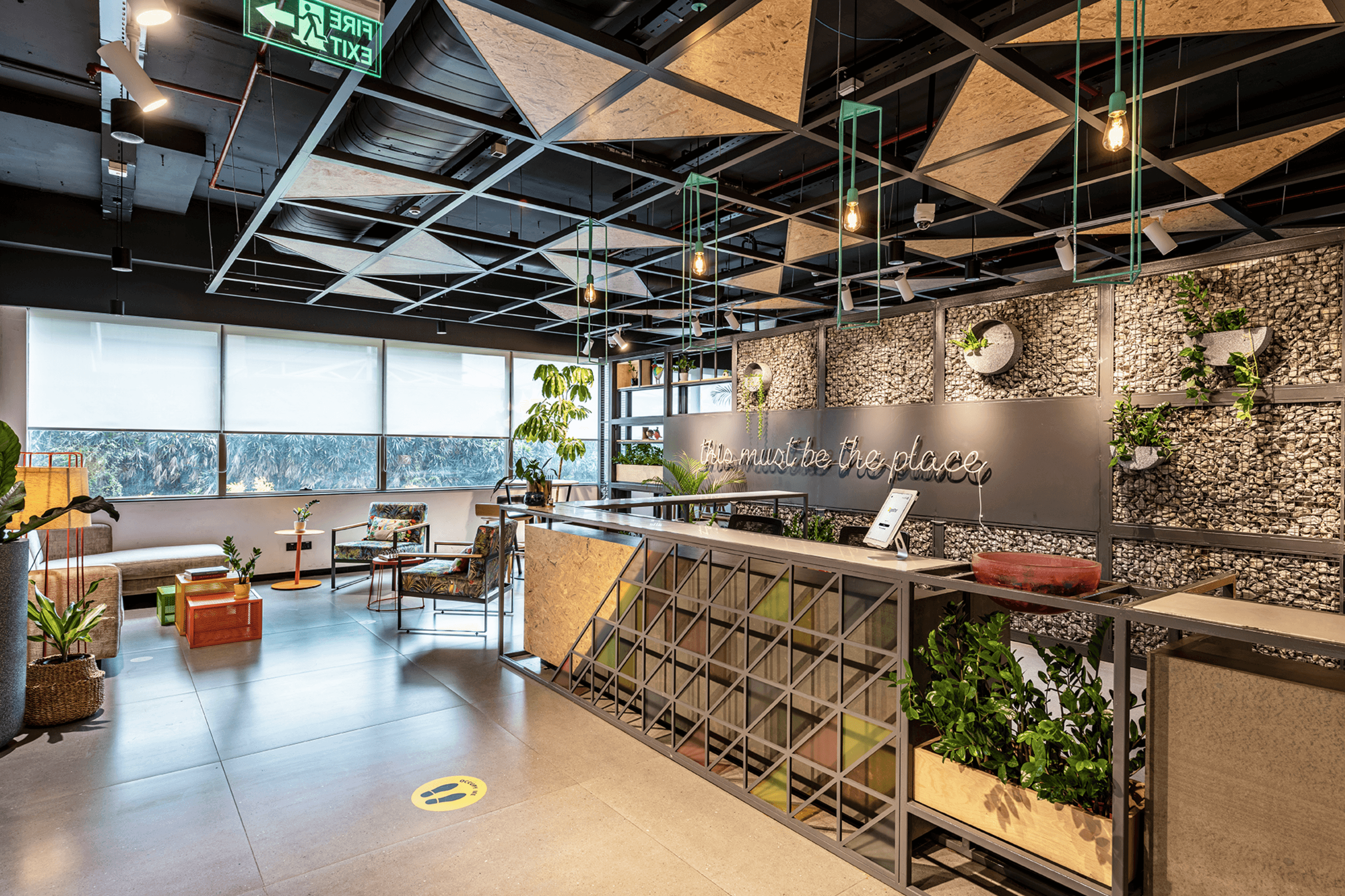
An office is also a physical expression of a company's brand and culture. Materials, colours, furniture, spatial planning and experience zones can communicate an organisation's values to employees, clients and visitors.
A thoughtfully designed workspace can create a strong first impression while reinforcing the company's identity.
Building Community Through Design
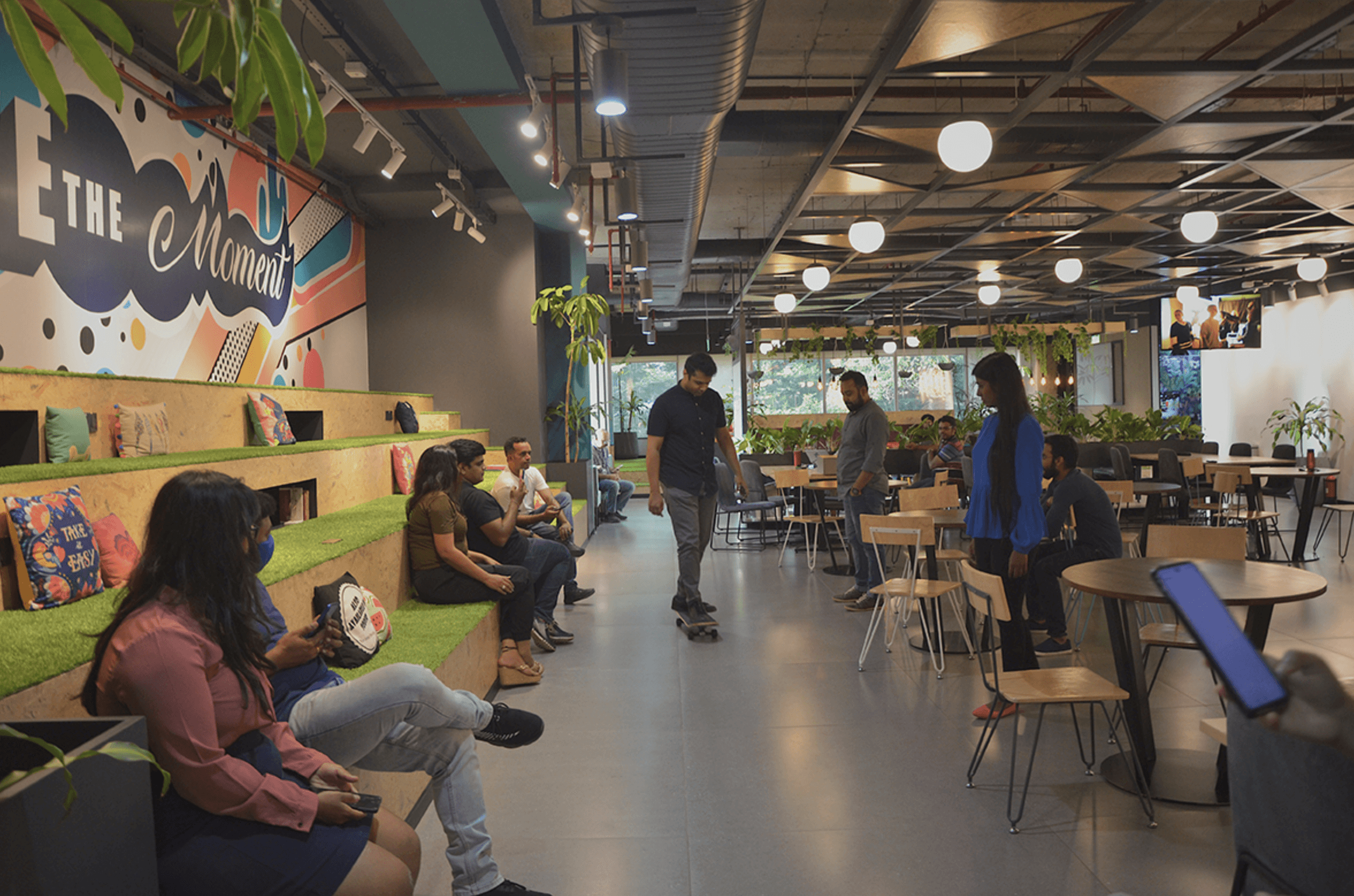
Workspaces should create opportunities for people to connect. Cafés, lounges, breakout areas and community spaces can encourage informal interactions and collaboration.
These spaces help create a workplace where employees do not simply work alongside each other, but also build meaningful connections.
The Future of Workspace Design
The future of workspace design is flexible, people-centric, technology-enabled and purpose-driven.
Businesses are increasingly looking beyond traditional offices to create environments that support productivity, culture, wellbeing and growth.
At 2gethr, we believe great workspaces should do more than accommodate employees. They should create an environment where people, ideas and businesses can grow.
Better design creates better ways to work.
Explore More Blogs
Read More

" height="30px" id="U51AI_5x8" width="28px"/></svg>)
" height="27.99998658825674px" id="mac9xsCsD" width="23.999615734187273px"/></svg>)
" height="32px" id="uZPMLbUqp" width="42px"/></svg>)
" height="30px" id="Ji8lZ7551" width="29px"/></svg>)