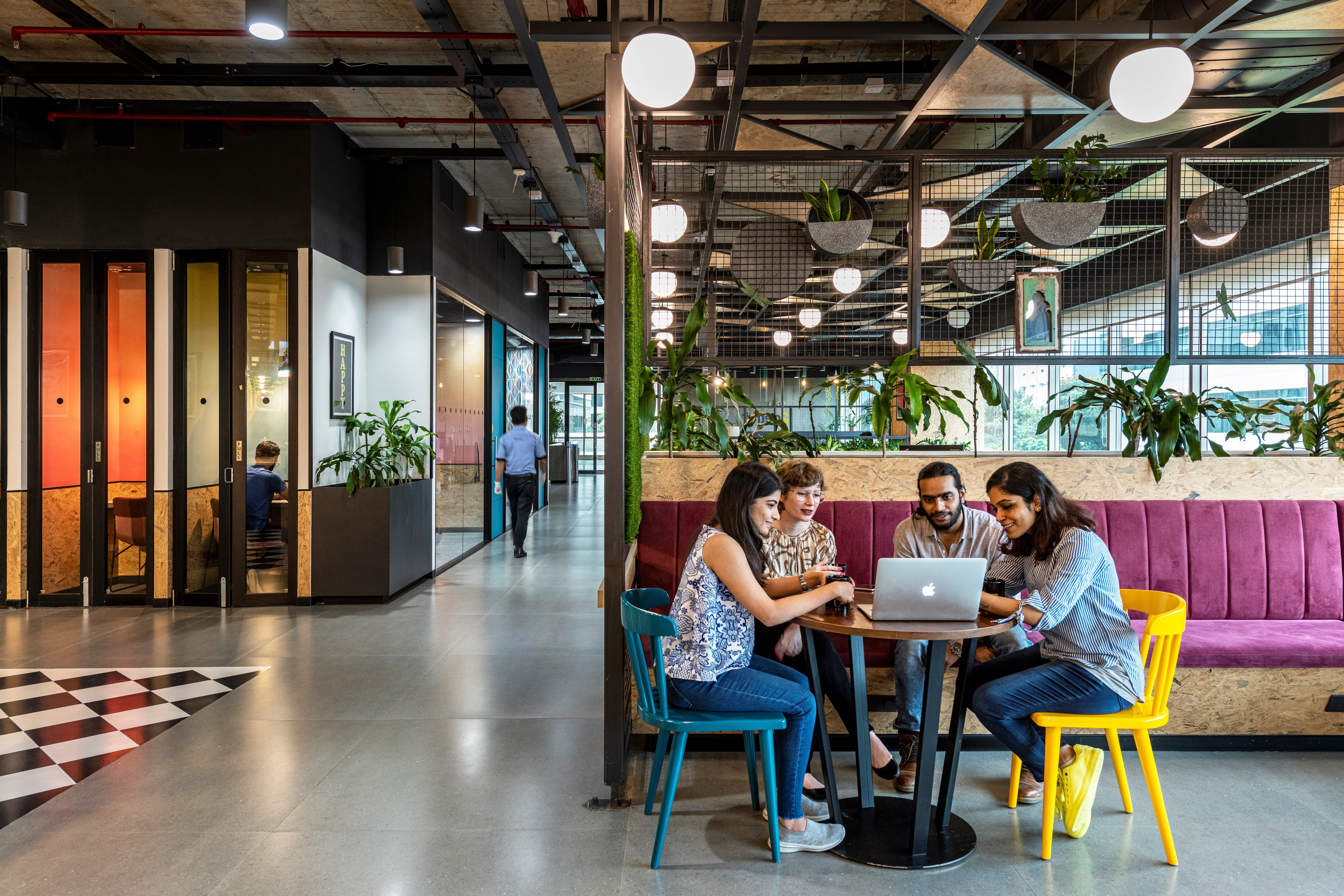
Designing Workplaces for Tomorrow
The way we work is changing. Businesses are moving beyond traditional offices and creating workplaces that are more flexible, technology-driven, collaborative, and people-centric.
The future of work is not about choosing between the office and remote work. It is about creating the right environment for people to work better, collaborate effectively, and grow together.
The Workplace Is Evolving
Traditional offices were designed around fixed desks, fixed teams, and fixed working hours. Today, businesses need greater flexibility.
Teams expand and change. Employees work in different ways. Companies enter new markets faster. As a result, workplaces need to adapt just as quickly.
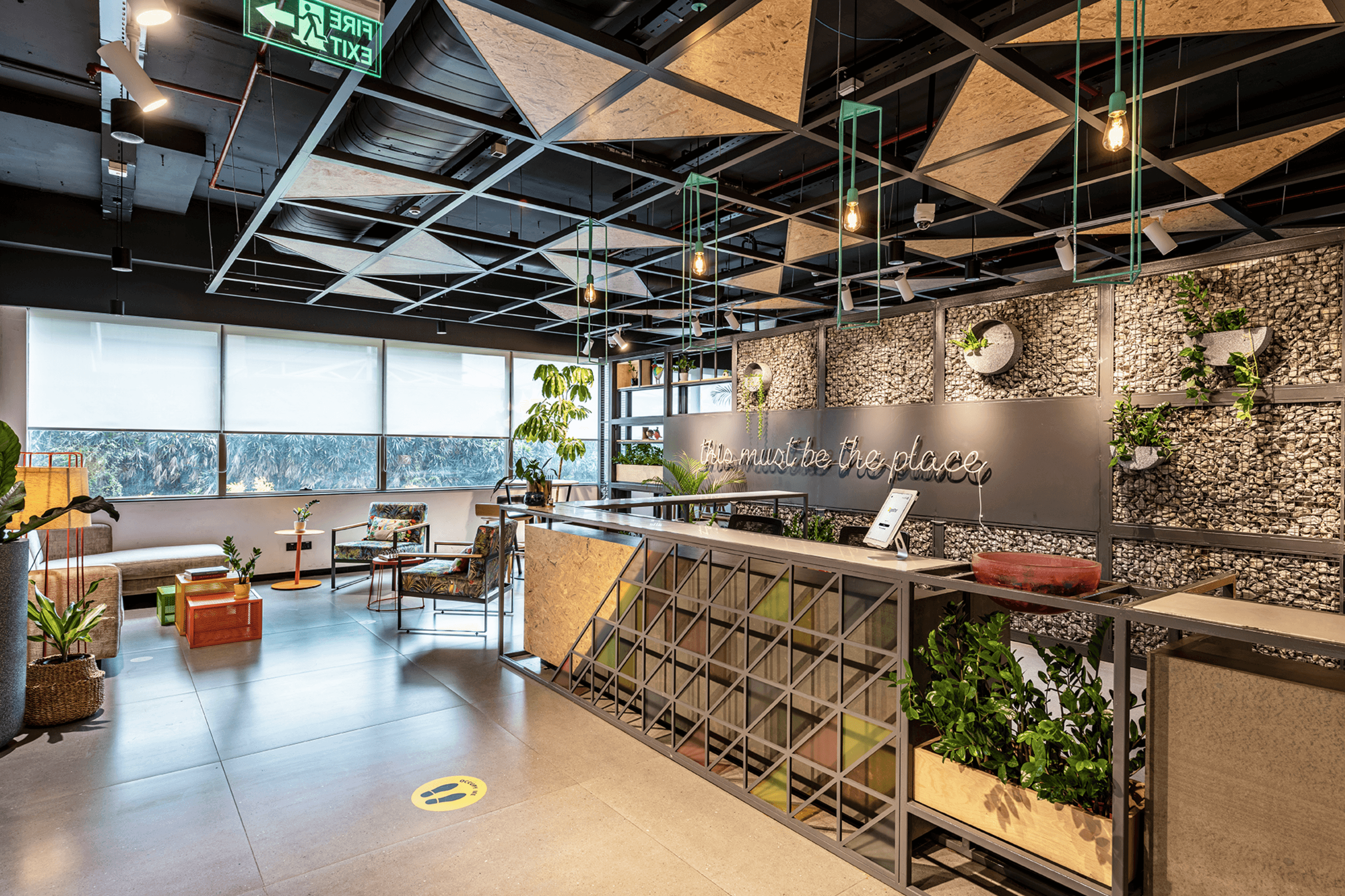
Modern workspaces are therefore becoming more flexible, allowing businesses to combine private offices, meeting rooms, collaborative areas, breakout spaces, and shared amenities based on their requirements.
Hybrid Work Is About Purpose
Hybrid work has changed what employees expect from the office.
People can complete focused tasks from almost anywhere. The office therefore needs to provide something more valuable: collaboration, creativity, culture, networking, and connection.
The future workplace will be designed around purpose-driven presence.
Employees come to the office not simply because they have to, but because the environment helps them achieve something better.
Design Is More Than Aesthetics
A modern workplace should look good, but design needs to go much further.
Lighting, acoustics, ergonomics, natural elements, furniture, spatial planning, and technology all influence the employee experience.
A thoughtfully designed workspace can create areas for focused work, productive meetings, spontaneous conversations, and moments to recharge.
This makes workplace design an important part of business and talent strategy.
The Office as a Talent Magnet
Talent expectations are changing.
Employees increasingly look at the complete workplace experience, including flexibility, wellbeing, culture, technology, and the quality of their working environment.
A well-designed office can help companies attract people, strengthen culture, and create stronger connections between teams.
The office is no longer simply a place to work.
It is becoming part of the employee experience.
Technology Will Power the Workplace
Technology will continue to make workplaces smarter and more efficient.
Digital access, meeting-room booking, visitor management, occupancy analytics, workplace apps, and integrated communication systems can simplify everyday operations.
However, technology should support people rather than replace human interaction.
The best workplaces will use technology seamlessly while keeping the human experience at the centre.
Flexibility Will Drive Business Growth
Business requirements can change quickly.
Companies may need to expand teams, enter new cities, establish new functions, or change their workspace requirements.
Flexible and managed offices give businesses the ability to scale without rebuilding their entire workplace infrastructure every time their needs change.
For growing businesses and GCCs, this can significantly improve speed, efficiency, and operational flexibility.
GCCs Are Shaping the Next Workplace
India's GCC ecosystem is rapidly evolving.
GCCs are increasingly becoming centres for technology, engineering, analytics, innovation, and strategic functions. Their workplaces therefore need to support global teams, collaboration, security, scalability, and employee experience.
A future-ready GCC workplace must combine business performance with human experience.
Sustainability Will Become Standard
Future workplaces will also need to operate responsibly.
Energy-efficient systems, sustainable materials, better resource management, waste reduction, and healthier indoor environments will increasingly influence workplace decisions.
Sustainability is becoming both an environmental responsibility and a business consideration.
Community Will Remain Human
Technology can connect people digitally, but physical spaces create opportunities for spontaneous human interaction.
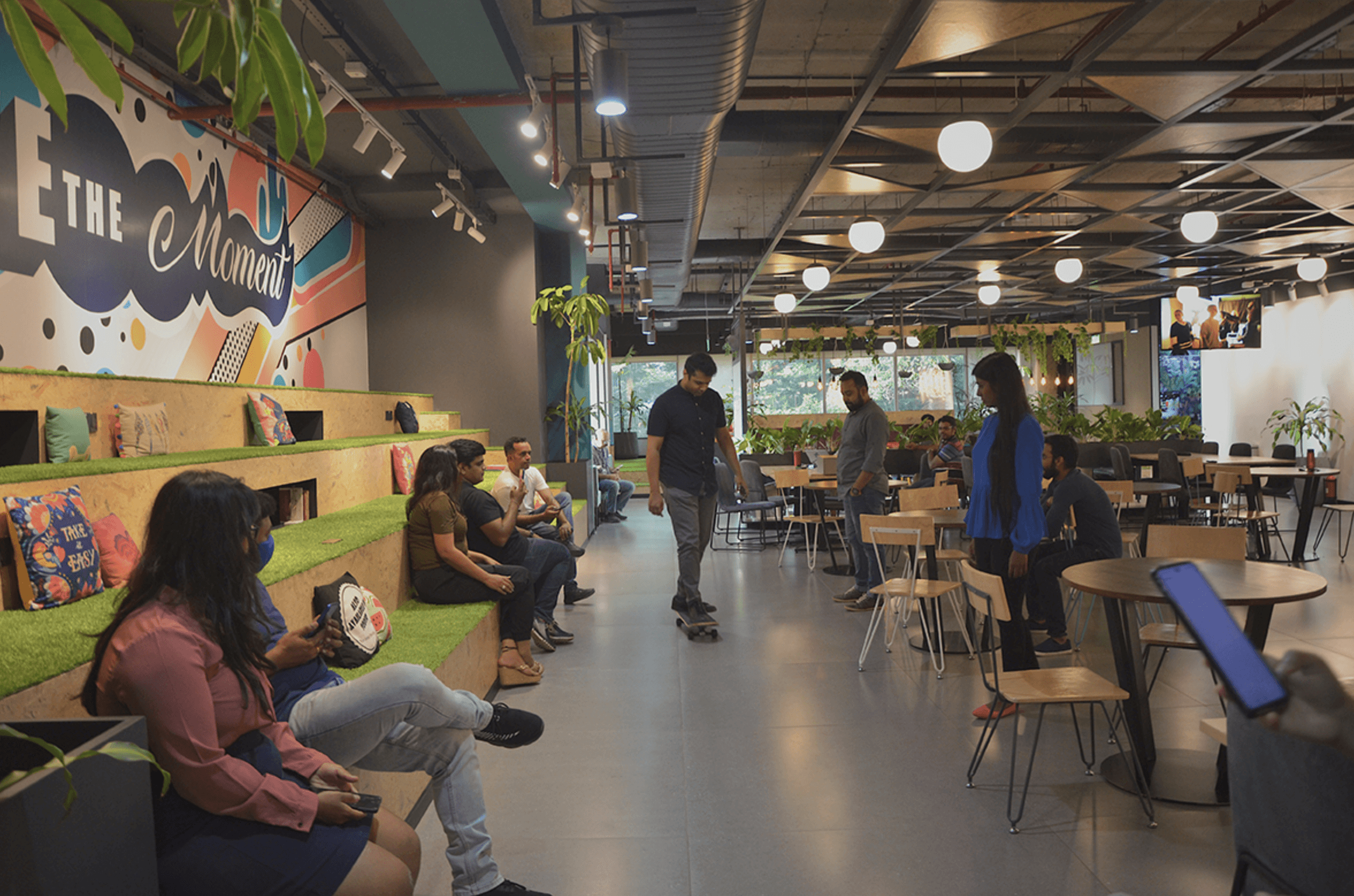
A conversation over coffee, a community event, a networking session, or an unexpected meeting can lead to new ideas and opportunities.
This is why community will remain an important part of the future workplace.
People build businesses together, and workplaces should make that connection easier.
What Defines the Future Workplace?
Principle | What It Means |
|---|---|
Flexibility | Spaces that adapt to changing business needs |
Technology | Seamless digital workplace experiences |
Design | Environments built around productivity and experience |
Wellbeing | Spaces that support healthier ways of working |
Collaboration | Environments that encourage meaningful interaction |
Sustainability | Responsible and efficient workplace operations |
Community | Opportunities to connect, collaborate, and belong |
Scalability | Infrastructure that grows with the business |
The Future Is Not Office vs Remote
The future of work is not a debate between working from home and working from the office.
It is about choice, purpose, and experience.
Different businesses will adopt different models. What will remain constant is the need for workplaces that help people perform, collaborate, innovate, and connect.
At 2gethr, we believe the workplace should be more than infrastructure.
It should be an environment that enables businesses to grow and people to do their best work.
The future of work is being shaped today.
And the workplaces that succeed will be the ones designed to evolve with it.
2gethr. Dream It. Do It.
Explore More Blogs
Read More

" height="30px" id="U51AI_5x8" width="28px"/></svg>)
" height="27.99998658825674px" id="mac9xsCsD" width="23.999615734187273px"/></svg>)
" height="32px" id="uZPMLbUqp" width="42px"/></svg>)
" height="30px" id="Ji8lZ7551" width="29px"/></svg>)