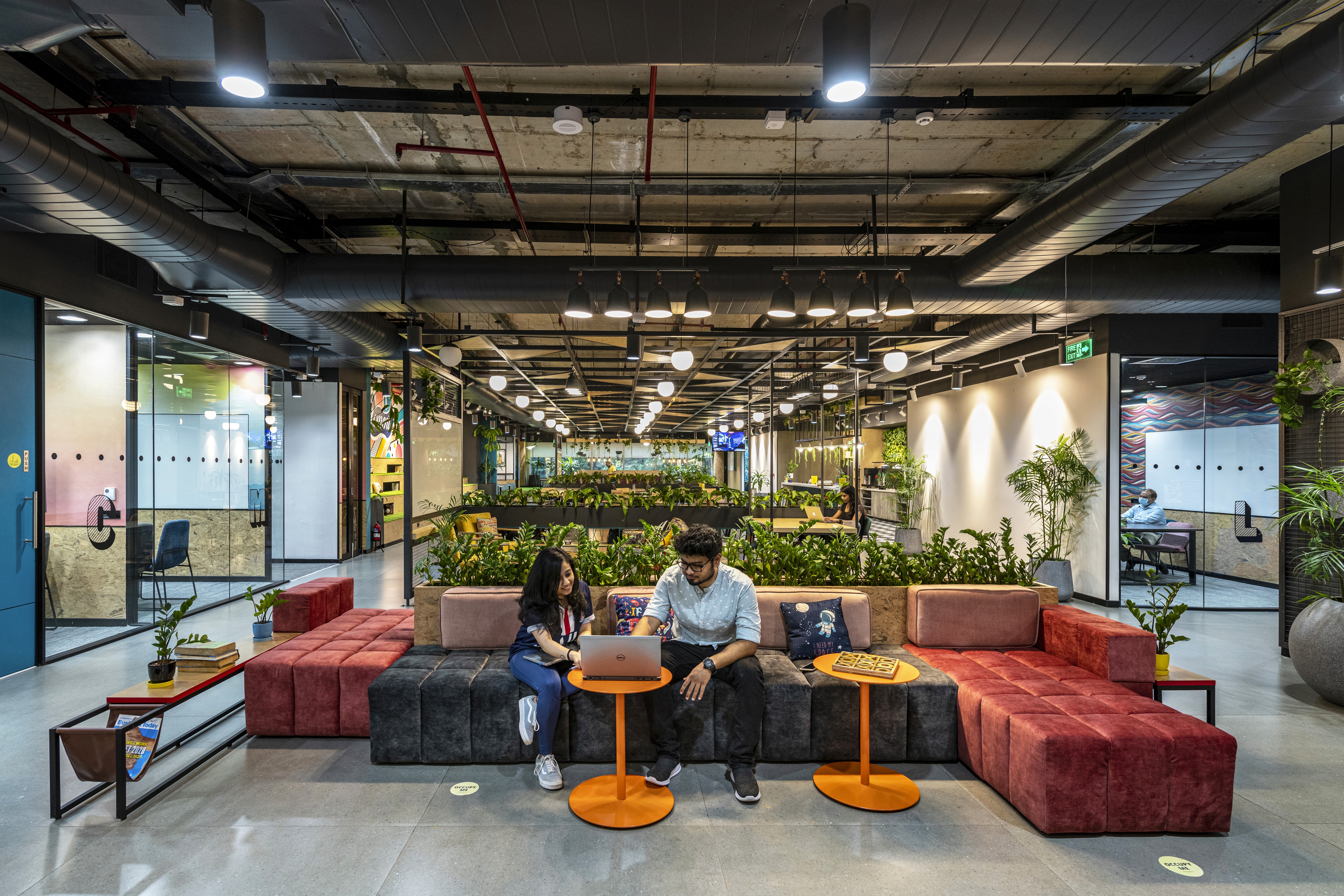
The Future of Work
The future of work has arrived, and it's rewriting the rules of how we work. The traditional office setup is no longer the only game in town. In this blog, we'll delve into the concept of the future of work, with a particular focus on the pivotal role of technology in this transformation and the emerging trends that are shaping the future of work.
What is the future of work?
The future of work is a concept that's reshaping our approach to employment. It's about flexibility, adaptability, and the evolving nature of our work environments. It's a shift in perspective, focusing on what we do, not just where we do it, enabled by technology.
What is the future of work trends?
The future of work is marked by trends that are influencing how businesses operate and how individuals pursue their careers:
Remote Work: Remote work is a vital aspect of the future of work. As technology continues to advance, more jobs can be done remotely, and employees are embracing the idea of working from home. Many experts believe that remote work is indeed the future of work, providing flexibility and work-life balance.
Hybrid Work: One of the most significant trends in the future of work is the rise of the hybrid workplace. This approach combines both remote work and in-office work, allowing employees to have flexibility while maintaining a physical office presence. Hybrid workplaces offer the best of both worlds and are gaining traction across industries.
What is changing the future of work?
Several factors are driving the changes in the future of work. Technology, including AI and automation, is transforming job roles and skills requirements. Globalization and the ability to work remotely are opening up new opportunities. Additionally, changing employee preferences, with a focus on flexibility and meaningful work, are contributing to this evolution.
What is the role of technology in the future of work?
Technology is at the forefront of the future of work. With advancements in communication tools, project management software, and automation, we are witnessing a significant shift in how we perform tasks. The integration of technology in the workplace is enhancing efficiency and collaboration.
What are some of the workplace trends supporting the future of work?
Now that we discussed the Future of work, let's have a look at how embracing these evolving workplace trends is essential for organizations looking to thrive in the changing landscape of work.
A Focus on Flexibility: Remote work is no longer a pandemic-driven necessity, but many will continue to experiment with different forms of remote and hybrid working – or at least some flexibility. In this evolving landscape, carefully curated workplaces that support flexibility are crucial for accommodating diverse work arrangements.
Prioritization of Employee Well-Being: The modern workplace is undergoing a transformative shift, with an unwavering focus on employee well-being. Forward-thinking organizations recognize that a healthy, happy workforce is a productive one. These companies invest in meticulously crafted workplaces designed to improve employee well-being. These spaces incorporate natural light, green elements, and serene environments to reduce stress, thereby promoting both mental and physical health.
Renewed Focus on Sustainability: Sustainability is no longer a mere buzzword; it's now a driving force behind workplace transformations. Today, workspaces are embracing sustainable practices not only in their products and services but also in their workplace design. These eco-conscious spaces not only minimize waste, reduce energy consumption, and promote responsible resource use but also contribute to employee well-being by providing healthier and more environmentally friendly work environments.
Greater Use of AI and Automation: Automation has become an integral part of modern workplaces, transforming how tasks are performed. By automating routine work, organizations can achieve increased productivity, reduced errors, and improved consistency. This shift not only benefits employers but also employees who gain a better work-life balance as automation takes care of repetitive tasks, allowing them to engage in more creative and strategic responsibilities.
What does the office of the future look like?
The traditional office is undergoing a transformation. In the office of the future, spaces will be designed to encourage collaboration, innovation, and creativity. Businesses are reimagining their physical work environments to adapt to changing work styles and employee preferences.
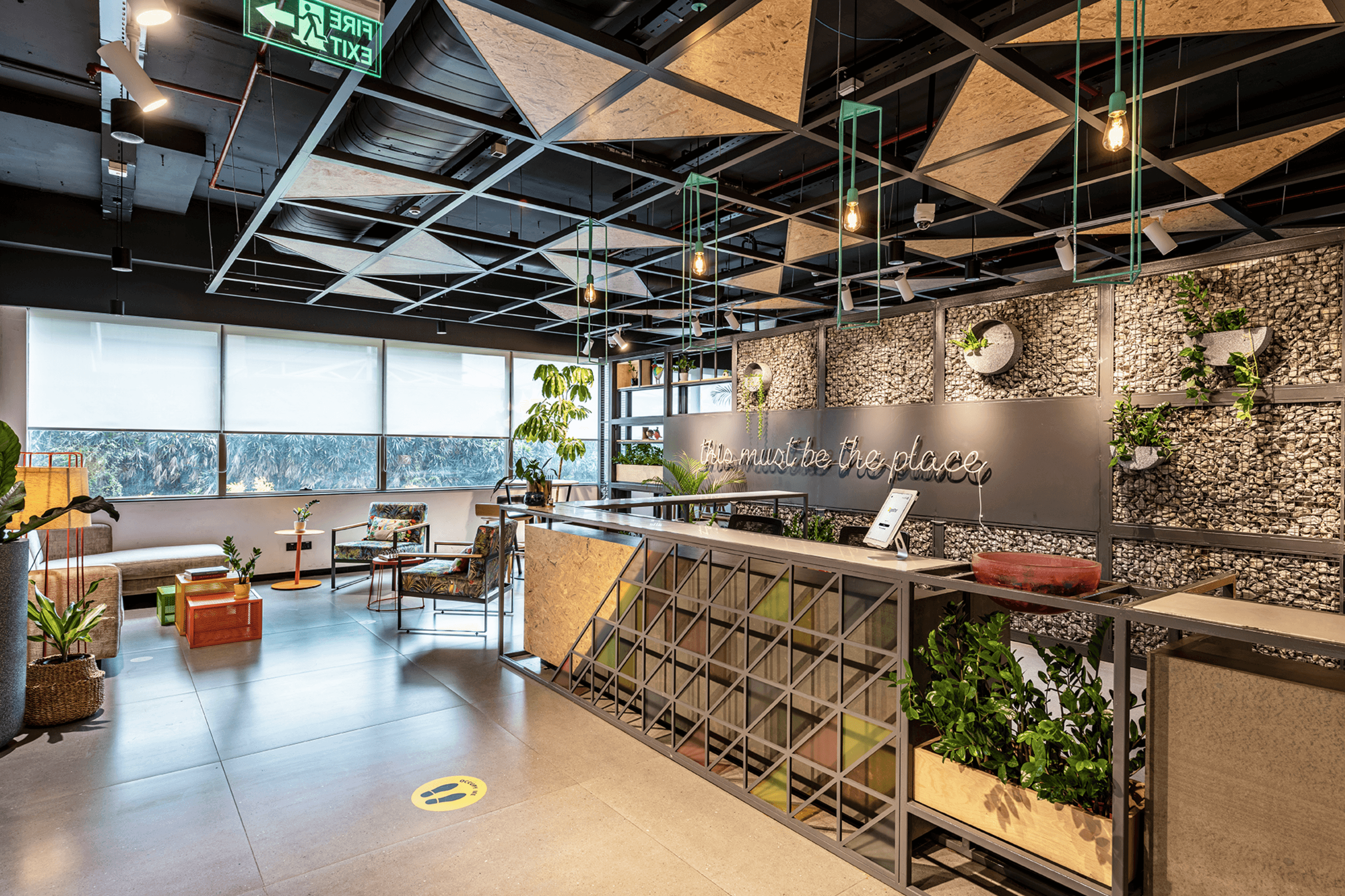
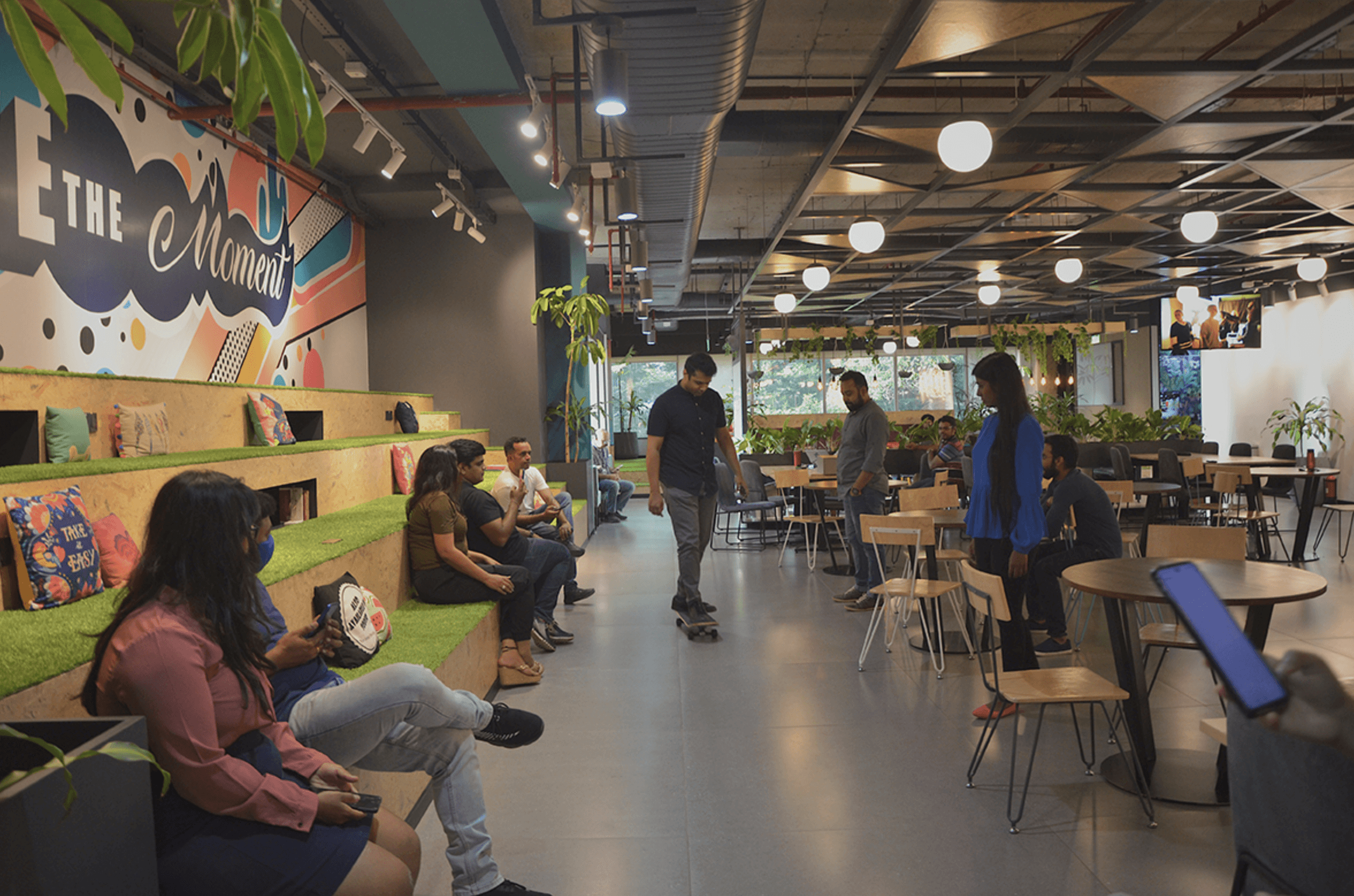
At 2gethr, we're passionate about redefining your workplace experience. We've carefully crafted our office environments to be more than just spaces to work; they're hubs of inspiration. By seamlessly integrating technology, innovative design, and functionality, we've created workspaces that not only adapt to the evolving needs of the modern workforce but inspire employees to return and work from offices.
The Future of Work in 2024
As we approach 2024, the future of work will continue to evolve. It will be marked by further integration of technology, a deeper understanding of employee needs, and a continued shift towards flexible work arrangements. Organizations that adapt to these changes, prioritize employee well-being, and embrace innovation will be well-positioned to thrive in this dynamic and exciting landscape.
Conclusion
As we are in 2023, it's crucial to recognize that the future of work is here. The trends we've discussed are no longer theoretical but practical aspects of the modern workplace. The hybrid workplace, remote work, and technology are shaping the way we work. The traditional office-based model is no longer the exclusive norm, and adaptability is the key to success in this evolving landscape.
Explore More Blogs

Read More

" height="30px" id="U51AI_5x8" width="28px"/></svg>)
" height="27.99998658825674px" id="mac9xsCsD" width="23.999615734187273px"/></svg>)
" height="32px" id="uZPMLbUqp" width="42px"/></svg>)
" height="30px" id="Ji8lZ7551" width="29px"/></svg>)